Seedling drop – the most common problem in growing seedlings
At a time when mass sowing of paradižnika, peppers, chilies and other vegetables begins, many gardeners encounter the same problem.
The seedlings germinate beautifully, then suddenly lie down and die.
We call this phenomenon seedling drop.
It is one of the most common diseases of young plants, which can destroy an entire seed tray in a few days.
What is seedling blight?
Seedling blight is a disease that attacks very young plants, usually in the first weeks after germination.
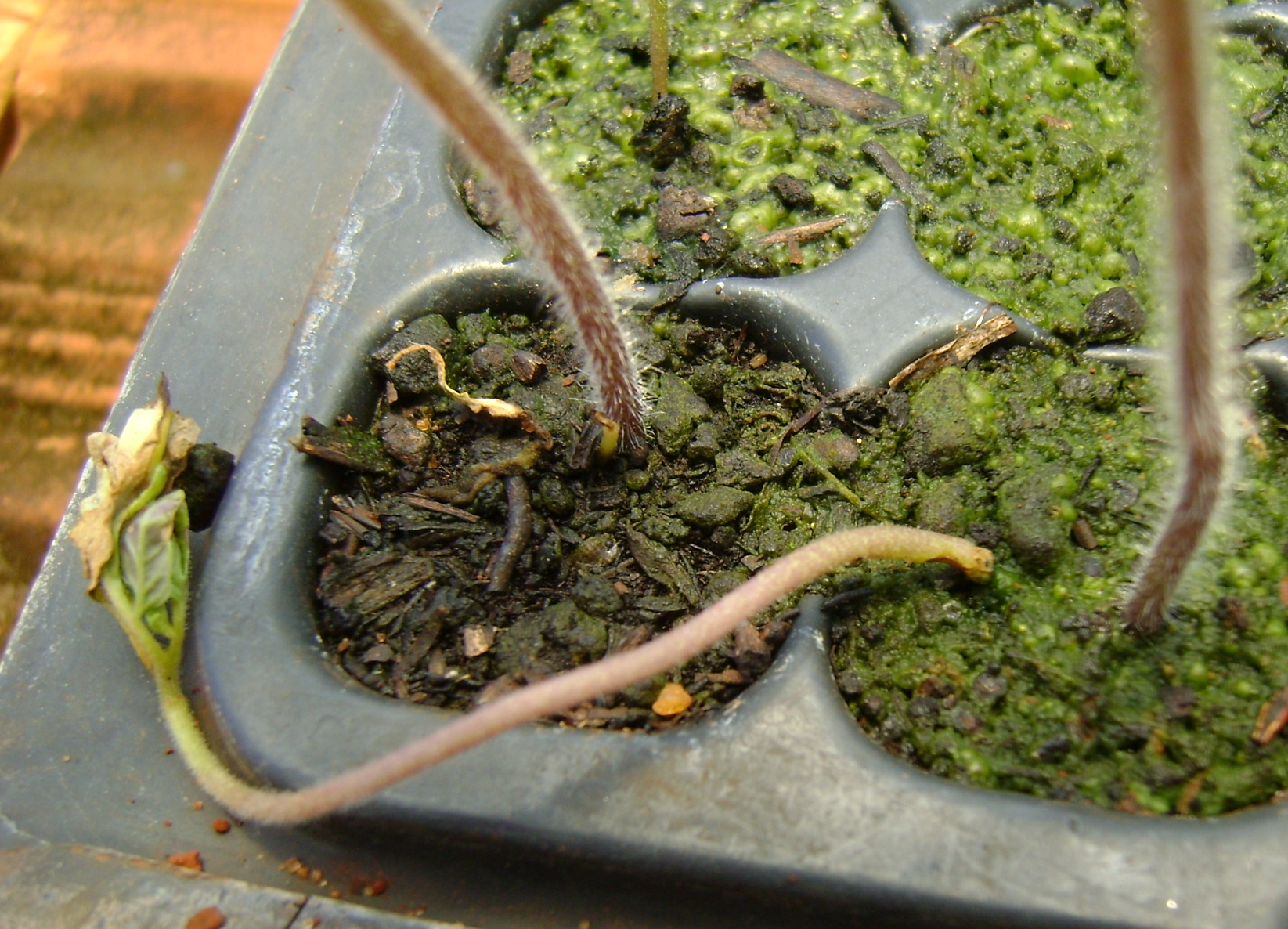
Where the stem emerges from the soil, the tissue softens and darkens. The plant narrows at this point, loses support and topples over.
The seedling then dies very quickly.
The disease often appears suddenly, even if the plants initially appear healthy.
What causes seedling drop?
Powdery mildew is caused by various fungi and fungus-like organisms in the soil, the most common of which are:
– Pythium – Rhizoctonia – Fusarium – Phytophthora
These organisms are often already present in the soil or substrate.
Problems arise mainly when the conditions for their development are ideal.
When does epilepsy most often occur?
It most often occurs when several factors are present at the same time:
Too much moisture Excessive watering or poorly drained substrate.
Poor ventilation Closed mini greenhouses or insufficient air circulation.
Low temperatures Cold soil and slow seedling growth.
Too dense sowing The seedlings are growing too close together and shading each other.
Heavy or contaminated soil Using garden soil instead of a quality substrate.
How to recognize seedling blight?
The most common signs:
– the seedling suddenly lies down – the stem near the ground becomes darker and thinner – the tissue becomes soft or watery – the plant breaks or collapses onto the substrate
Once the disease appears, it can spread very quickly to neighboring seedlings.
How to prevent seedling drop?
Prevention is much easier than solving a problem.
1. Use a quality substrate
Use a light, airy seedling substrate for sowing. This substrate drains water better and reduces the chance of disease development.
2. Water moderately
The substrate should be slightly moist, not wet. Too much water is the most common cause of problems.
3. Provide ventilation
Open mini greenhouses or covers regularly. Air circulation significantly reduces disease development.
4. Seedlings should have enough light
Strong, fast-growing seedlings are less susceptible to disease.
5. Don't sow too thickly
If the seedling is too small in a space, moisture is retained for a longer time and the conditions for disease development are better.
When growing paradižnika seedlings, it often happens that the plants germinate, but quickly become long, thin and weak. This phenomenon is called stretched seedlings. At first glance, it may not seem serious, but such seedlings later: –
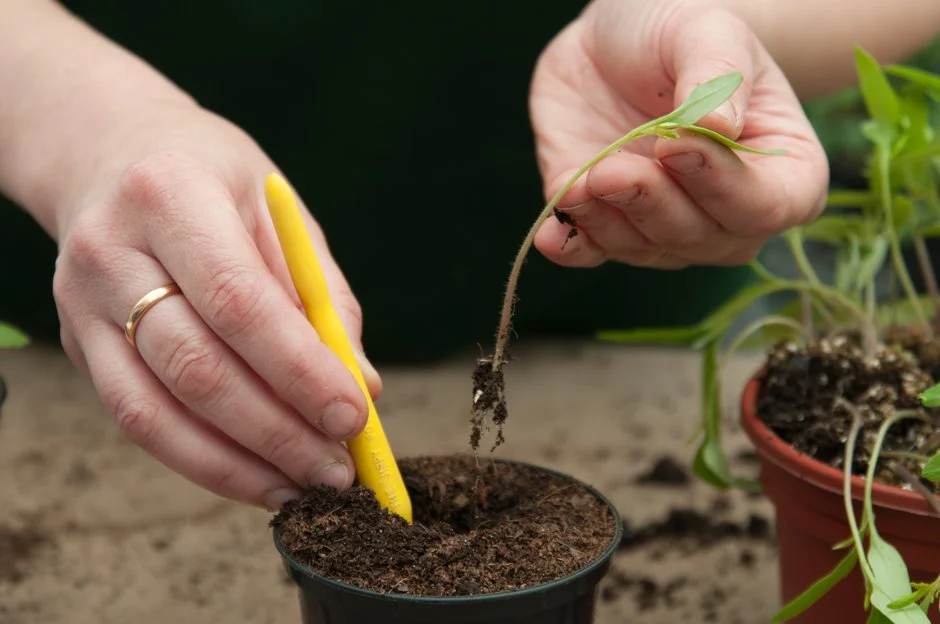
Once your paradižnika, pepper or chili seedlings have sprouted, the next important step soon comes – transplanting or picking the seedlings. Many gardeners skip this step or do it too late, which can affect the growth of the plants and the final yield.